
If you asked me about Puerto Rican culture I could’ve helped you with a recipe, created a playlist that everyone would dance to, and taught the basics of salsa dancing. What I couldn’t tell you was the untold stories and history that created the recipes, the melodies we sing and the rhythms we dance to. I couldn’t find the words to explain the pride and disconnection from living in the diaspora. I couldn’t explain how I was able to communicate with my grandmother when she didn’t speak English, and I didn’t speak Spanish. After living quietly in shame amongst my Latinx peers who were able to have a conversation in Spanish with their Abuelita and who visited their home countries, I realized shame didn’t teach me anything. I didn’t need permission to learn the “whys”, wait for the right time to discuss a difficult topic, or take I don’t know for an answer. There were authors who were like me who found the words to all the unanswered questions.
These past two years, I felt relief that others felt the same gap between pride and disconnection. Not only did I learn our history and how it lives within every generation, I felt seen and not so alone. If you’re looking for a connection to our roots, I’d start with these books.
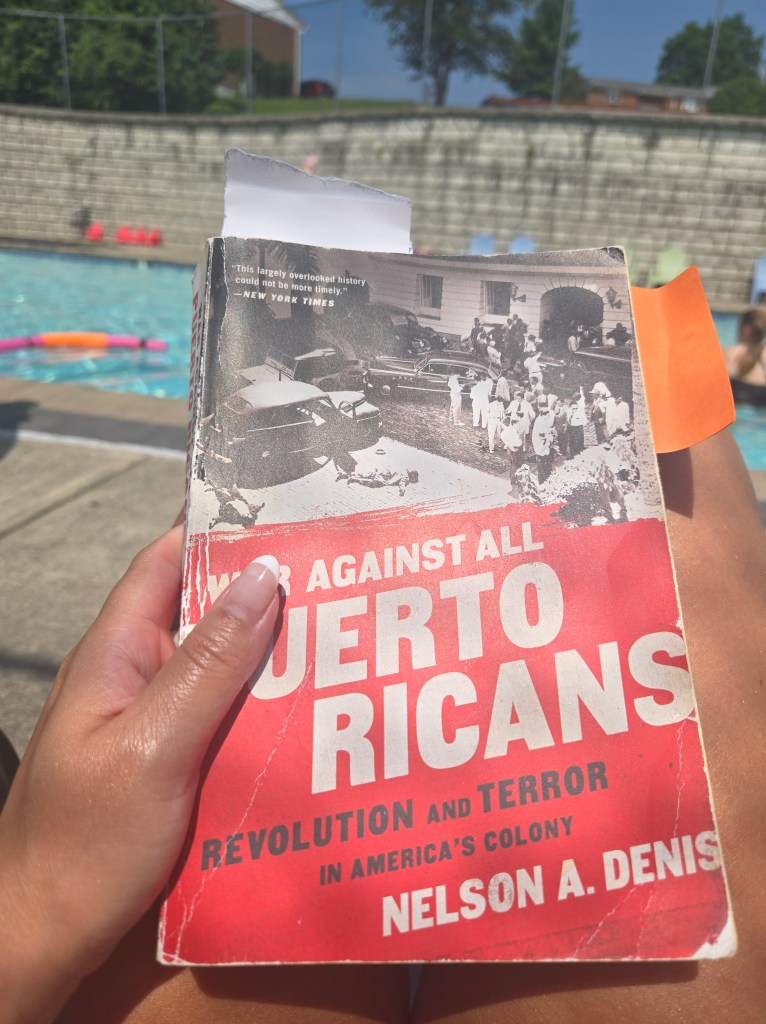
War Against All Puerto Rican by Nelson A Denis
This one was a tough read, but necessary. It revealed the hard truth of what we all carry. I finally understood why my grandfather wore the flag from head to toe, why we are hesitant to trusting health organizations, and why some of us stay in line, blend in and assimilate to survive.
When I was Puerto Rican by Esmerelda Santiago
- “For me, the person I was becoming when we left was erased, and another one was created.” – Esmerelda Santiago
- This book unpacked family dynamics no woman in my family could explain. There was always a shrug, a side eye, and a quiet “that’s just the way it is”. Somehow infidelity, financial struggles, and chaotic family structures was normal. I’ve learned the truth was painful enough to live through. Speaking it out, despite how true it was, was betrayal to the people you love.
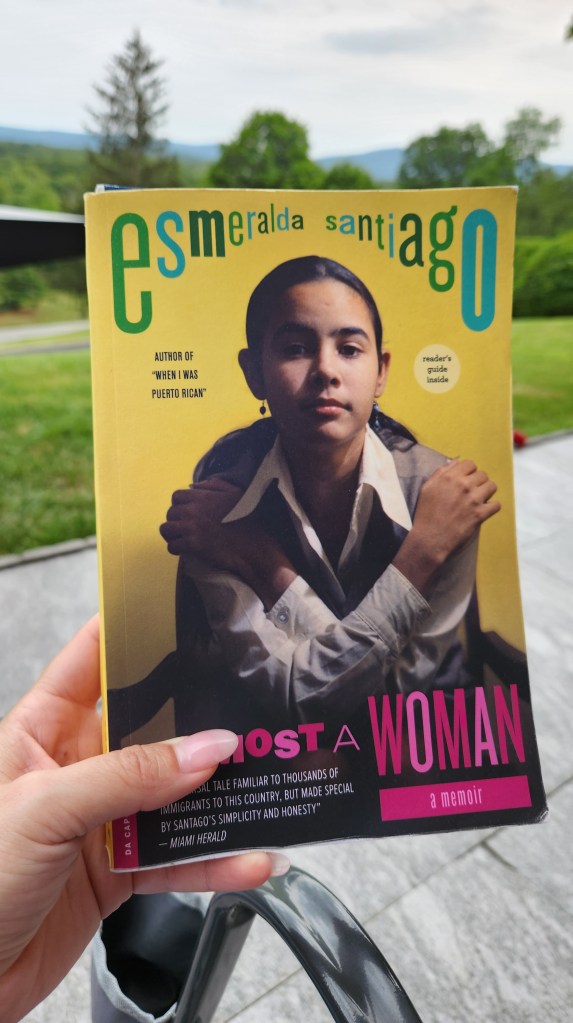
Almost a Woman by Esmerelda Santiago
Another book that explains how life in diaspora is confusing. Even after generations that assimilated some of us still struggle with cultural identity, but somehow it fuels our ambition. Eventually, we create own paths despite how messy or alone you feel. Most importantly, we accept some of us will be “too American for Puerto Ricans and too Puerto Rican for Americans”. Additionally, it explained the complicated Mother- daughter dynamic that includes codependency that I think some of us experience one way or another.
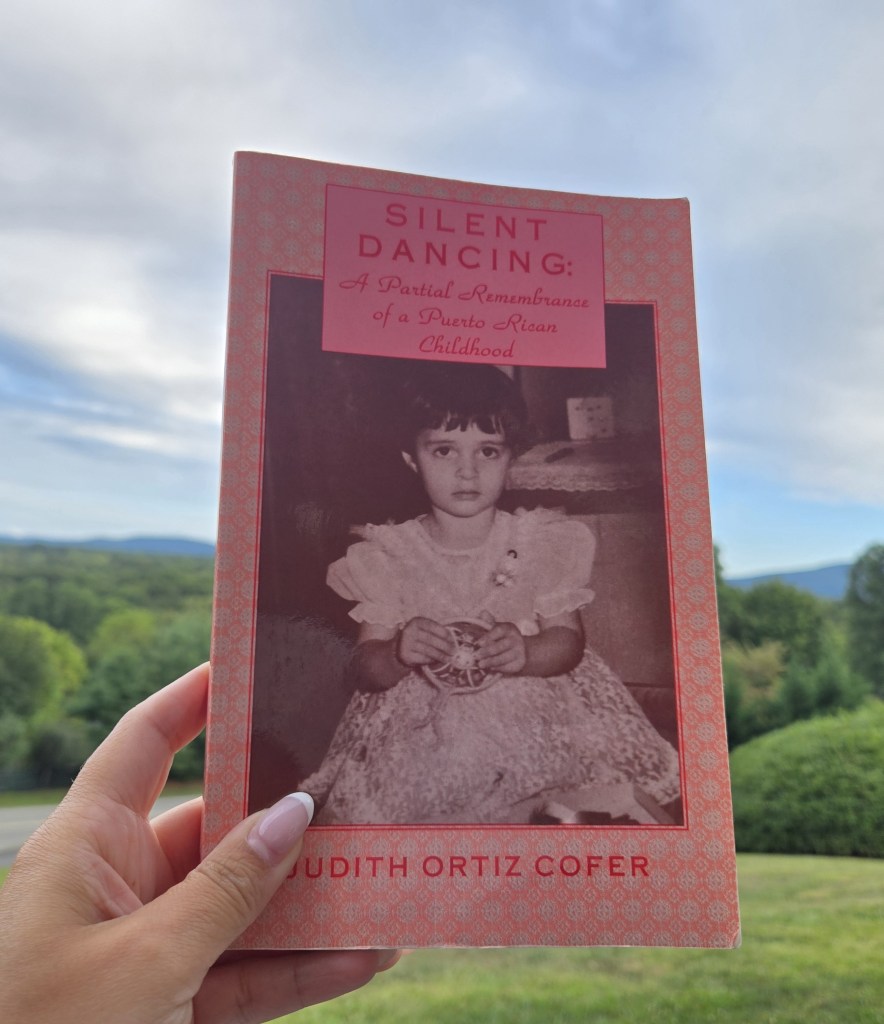
Silent Dancing by Judith Ortiz Cofer
This memoir explored the tug of war between holding on to tradition or assimilating in the diaspora. One part that really stuck out was when the family was viewed as “well behaved” and lived in “nicer” neighborhood. This one really resonated with me, because this was the common theme of my life growing up in Hudson Valley.
This book felt different from When I was Puerto Rican. The gender roles were there, but she expressed acceptance of her family’s reality and honored it. Especially the matriarchal role that kept the family from falling apart.
America’s Dream by Esmerelda Santiago
Different from her autobiography, this fictional read resonates in a different way. It reflects current challenges that immigrants face including racism, stereotypes and the feelings of being “other”. It dives into the mother-daughter conflicts we talked about earlier. A grandmother who resents her daughter for changing the generational cycles and a mother who’s scared her daughter will repeat them. It confronts domestic violence and machismo, and reminds us leaving doesn’t always mean you feel safe. The emotional and mental toll is real, and everyone experiences it one way or another. It’s a personal favorite because it’s a story of woman that is writing her own narrative, despite the risk, to potentially change the cycles for the women who come after her.
These books helped me realize we deserve more than just bits and pieces of our story. We should make space to ask questions, have difficult conversations and seek truth without shame. We deserve to reclaim our roots with pride and appreciation. And during Hispanic Heritage Month, that’s what I plan to do.


 HVNY Rican
Leave a comment